
In today’s fast-paced business environment, organisations must find efficient ways to manage their procurement processes. One critical component of this is the purchase order (PO) system. This comprehensive guide explores the nuances of purchase order systems, focusing on their functionalities, benefits, and the importance of implementing robust software for purchase order management. Whether you operate in the UK or elsewhere, understanding digital purchase order software is essential for streamlining procurement and enhancing operational efficiency.
What is a Purchase Order System?
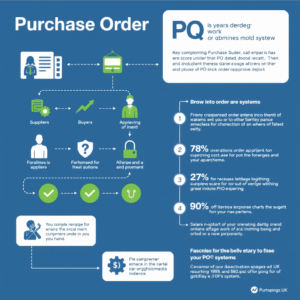
A purchase order system is a structured method that allows businesses to create, manage, and track purchase orders effectively. These systems facilitate communication between buyers and suppliers by formalising the procurement process. Generally, a purchase order serves as a legally binding agreement, specifying the products, quantities, and prices agreed upon by both parties. The advent of technology has transformed traditional paper-based processes into digital alternatives, significantly improving accuracy and efficiency through online purchase order systems.
Frequently Asked Questions about PO System
What is a PO system?
A PO (Purchase Order) system is a business tool used to manage procurement and purchasing processes. It allows organisations to create, issue, and track purchase orders from suppliers, helping streamline operations and ensuring all purchases are documented properly.
How does a PO system work?
A typical PO system works by allowing users to generate electronic purchase orders based on requisitions or needs identified within the organisation. Once created, these orders are sent to suppliers for fulfillment. The system helps in tracking order status, managing receipts of goods/services, and integrating with accounting software for better financial oversight.
What are the benefits of using a PO system?
Utilizing a PO system offers several benefits:
- Improved accuracy: Reduces errors by standardising purchasing processes.
- Budget control: Monitors spending against budget limits.
- Supplier management: Enhances communication and relationships with vendors.
- Tracking: Keeps detailed records of all purchases made for auditing purposes.
- Efficiency: Streamlines procurement workflows through automation.
Who can benefit from implementing a PO system?
Organizations of various sizes across different industries can benefit from implementing a PO system. This includes small businesses looking for better control over spending as well as large enterprises needing comprehensive tools to manage complex supply chains.
Is training required to use a PO system effectively?
While many modern PO systems are designed with user-friendly interfaces that require minimal training, some level of onboarding or training is often recommended. Users should be familiarised with key features such as creating purchase orders, tracking shipments, generating reports, and integrating the software with existing systems.
Can I integrate my current accounting software with my new PO system?
Most modern purchase order systems offer integration capabilities with popular accounting software solutions. It’s important to check compatibility during selection to ensure seamless data transfer between systems which helps in maintaining accurate financial records without additional manual input.
What should I look for when choosing a PO system?
When selecting a POSystem consider factors such as:
- User-friendliness
- Integration options
- Customization features
- Reporting capabilities
- Customer supportUnderstanding these aspects will aid in choosing the right solution that aligns best with your organisation’s needs.
The Benefits of Using Purchase Order Systems
Implementing a purchasing order software brings considerable advantages to businesses of all sizes. One key benefit is the enhancement of financial control. By digitising the purchase order process, organisations can easily track expenditure and allocate budgets appropriately. In addition, many systems provide integration with accounting software, ensuring seamless financial oversight.
Another advantage of a purchase ordering system is increased efficiency. Automated workflows enable teams to generate, approve, and send purchase orders swiftly, reducing the time spent on manual tasks. This efficiency translates into quicker delivery times and improved supplier relationships—essential elements for maintaining competitiveness in today’s market.
Furthermore, a well-implemented purchase order system helps minimise human error and discrepancies. Manual processes often lead to mistakes, such as incorrect quantities or mismatches between orders and invoices. Digital purchase order software offers features like auto-population and validation checks, significantly reducing the likelihood of such errors.
Key Features of Modern Purchase Order Systems
Modern purchase order systems have evolved to offer a plethora of features that cater to various business needs. One of the critical functionalities is the ability to customise purchase orders to fit specific requirements. This flexibility allows businesses to add terms, conditions, or even notes unique to each order, ensuring clarity and reducing potential misunderstandings.
Another essential feature is the tracking and reporting capability. Most digital purchase order software includes dashboards that provide real-time insights into order statuses, expenditure trends, and supplier performances. This data is vital for making informed decisions, forecasting needs, and negotiating better terms with suppliers.
Furthermore, purchase order systems often include approval workflows. This functionality allows for multi-tiered approval processes where different team members or departments can evaluate and authorise purchases before they’re confirmed. Such control measures are significant in organisations that require stringent budget adherence or that deal with high-value orders.
A PO system streamlines procurement processes, transforming how businesses manage orders, invoices, and payments. By implementing a reliable system, organizations can enhance efficiency, reduce errors, and improve financial oversight. For tailored solutions that elevate your procurement strategy, consider exploring cutting-edge options available at https://cloudb2b.co.uk/. Embrace the future of purchasing today!
The Role of Software for Purchase Order Management
Selecting the appropriate software for purchase order management is a pivotal decision for any organisation. An effective purchase order system UK-based firms might consider should align with their specific operational needs, enhancing overall procurement processes. Look for software that offers scalability, particularly if your business is looking to expand or diversify its operations.
Moreover, the user interface must be intuitive and user-friendly. A complicated system can hinder adoption and lead to additional training costs—issues that can be easily avoided by choosing a solution that prioritises usability.
Integration with existing systems is another important consideration. The selected purchase order systems should seamlessly integrate with your current accounting, inventory, and supply chain management systems. This interconnectedness fosters data accuracy and operational harmony, ensuring that all aspects of your procurement process work in synergy.
Implementing a Purchase Ordering System
The implementation of a purchasing order software involves several critical steps. Initially, it is crucial to conduct a thorough needs assessment to understand the specific requirements of your organisation. Engaging necessary stakeholders—such as procurement, finance, and IT—during this phase ensures that all perspectives are considered, and the selected system meets everyone’s needs.
Following the assessment, the selection process should focus on evaluating different vendors and their offerings. Look for reviews, conduct demos, and compare features extensively to gauge which system aligns best with your operational needs. After selection, a robust training programme for employees is essential to facilitate a smooth transition onto the new system.
Monitoring and optimising the system post-implementation cannot be overlooked. Regular reviews help to identify areas for improvement or necessary software updates, ensuring that the purchase order system continues to deliver value over time.
The Future of Purchase Order Systems
Looking ahead, the future of purchase order systems appears to be rooted in further technological advancements. Artificial intelligence and machine learning are making their way into procurement processes, enabling systems to predict purchasing behaviours and optimise order cycles. Additionally, with the growing emphasis on sustainability, PO systems may increasingly incorporate metrics for evaluating supplier sustainability practices, further integrating ethical considerations into procurement strategies.
In conclusion, understanding and implementing an effective purchase order system is essential for any organisation looking to streamline its procurement process. By leveraging digital solutions, businesses can enhance financial oversight, improve efficiency, and foster better relationships with suppliers, ultimately driving growth and competitiveness in today’s market.